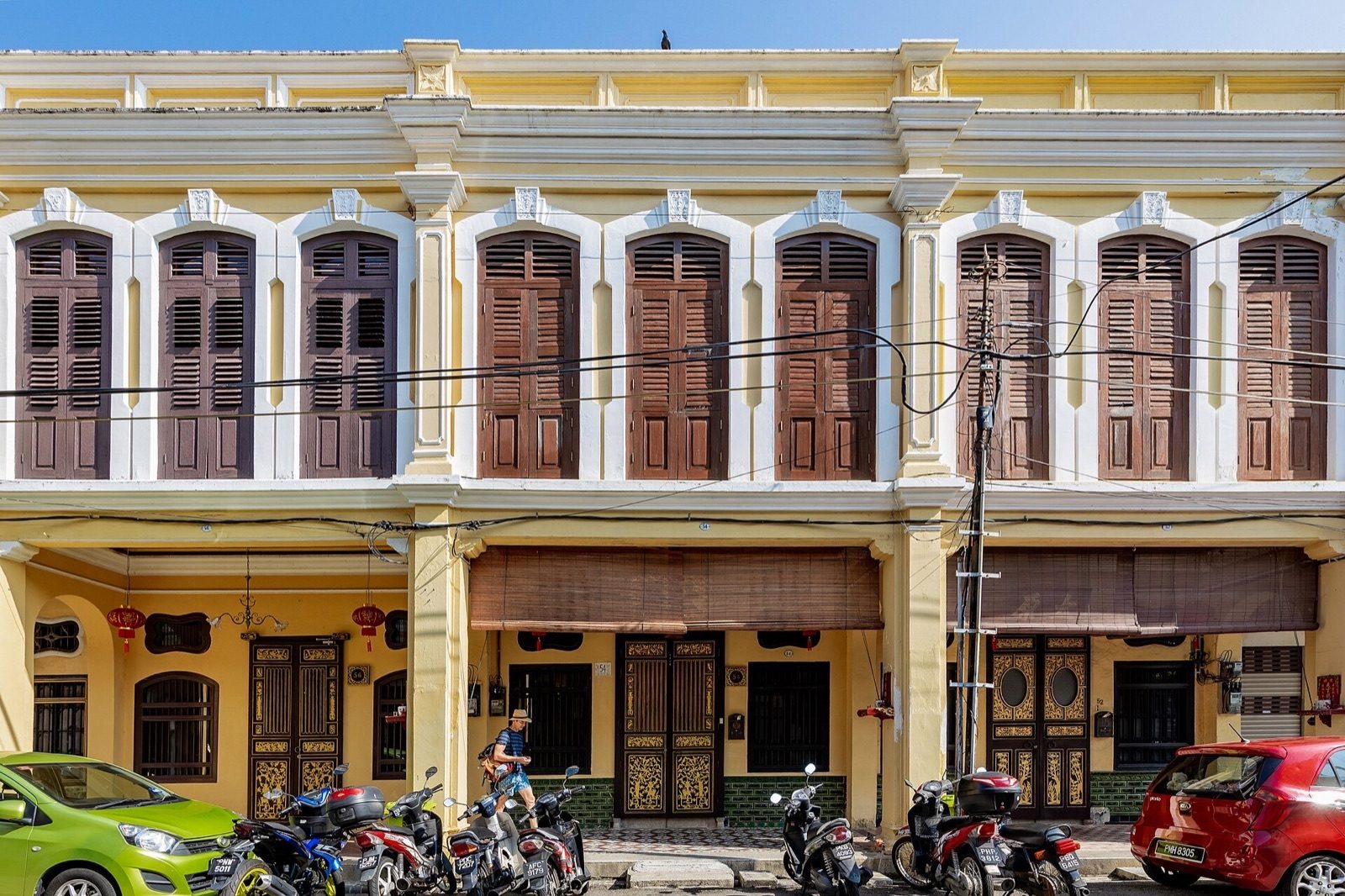
01Start with a private conversation
Share the street, current use, occupancy, approximate size, condition and preferred timing.
02Build the property information
Bring together title and tenancy information, dimensions, photographs, alterations and documents available for buyer review.
03Choose the buyer story carefully
Position around present approved use, building character, condition and practical possibilities—not unsupported return claims.
04Control access and disclosure
Agree which facts, photographs and address details can be public, then arrange viewings around tenants and privacy.
Show how the whole property works
Useful photographs continue beyond the façade: upper rooms, airwells, rear access, roof areas that can be seen safely, meters and services. A buyer should understand circulation and condition before arranging a long viewing.
Separate asking price from the reason to buy
Position the property around its actual street, use, tenancy, dimensions and condition. Avoid turning possible future uses or projected returns into promises.
A buyer should understand the street, tenancy, circulation and condition before the first long viewing. Clear preparation reduces repeated questions and weak offers, while preserving time for serious buyers.