Category I
The World Heritage Site contains 82 Category I buildings, gateways, cemeteries and sites. Original or similar use and authentic repair methods carry particular weight.
GEORGE TOWN CONSERVATION PLAN
The Special Area Plan affects the use, works, timing and cost behind a purchase. These are the parts a buyer should understand first.
FOUR BUILDING CATEGORIES
The World Heritage Site contains 82 Category I buildings, gateways, cemeteries and sites. Original or similar use and authentic repair methods carry particular weight.
Source: GTWHI building categories · George Town Special Area Plan. Confirm the actual address with the relevant authority.
FOUR REAL PROPERTY DECISIONS
Start with original windows, vents, plasterwork, doors and the intended sign position. The plan says signage should not cover distinctive shopfront details.
Footfall is only one part. Fire safety, exhaust, refuse, loading, upper-floor access and neighbours can determine whether the operation works.
Check the airwell, rear court, lane, party walls, drainage and original fabric first. Rear works can change ventilation and maintenance across the building.
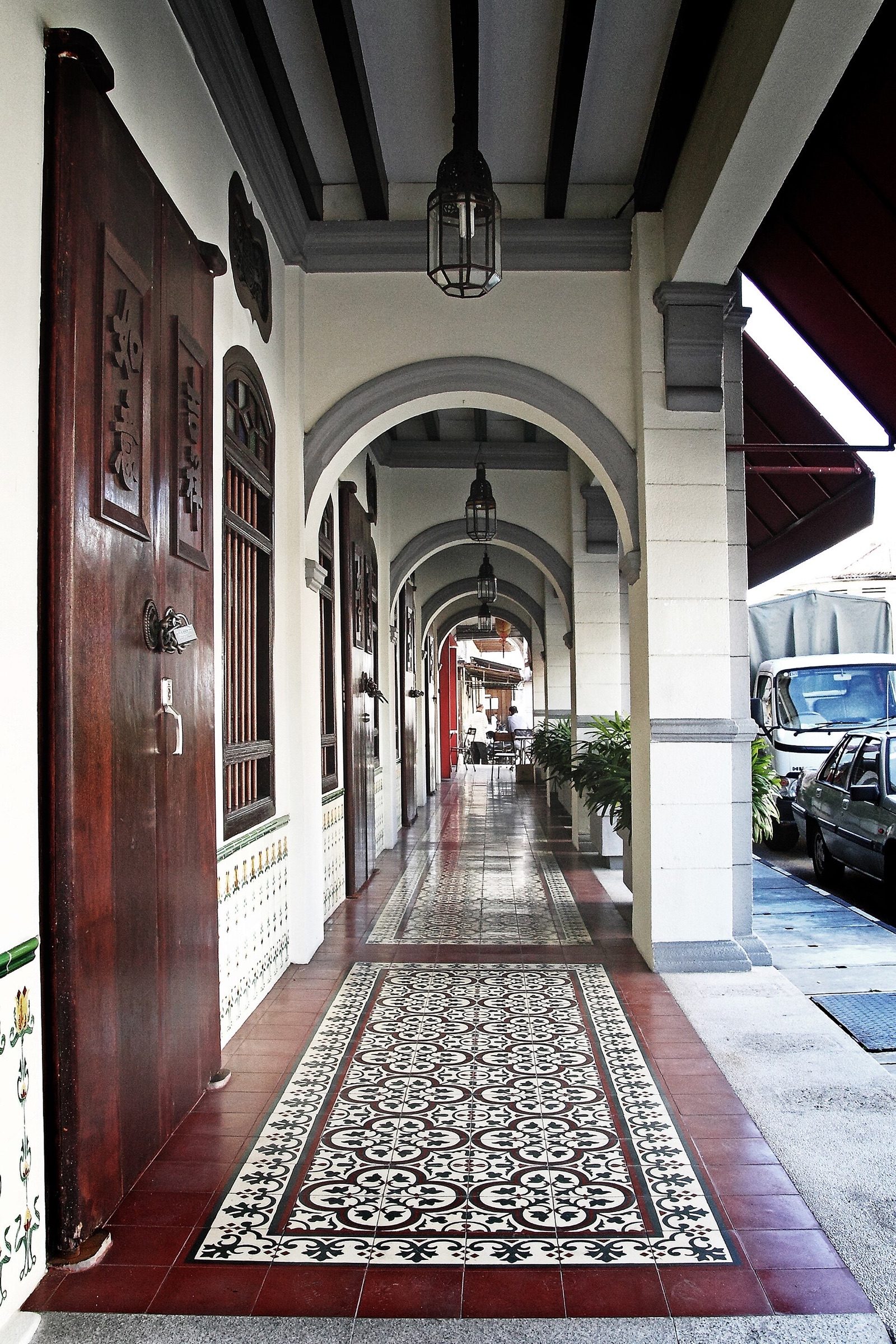
The five-foot way is part of the public pedestrian route, not simply extra shop space. Displays, seating and obstructions need to respect its role.
COMMON QUESTIONS
No. The World Heritage Site uses four building categories. Confirm the actual address against the official records.
The zone alone does not answer that. Building category, original features, intended use and proposed work all affect the requirements.
Not automatically. Use, fire safety, exhaust, servicing and approvals must be checked for the actual property.
START WITH THE ADDRESS
Proposed work may affect neighbours, drainage, ventilation or repair access. Identify the actual boundaries and shared elements before drawing the concept.
Building category, documented use and future operating licences are separate questions. A neighbouring business does not answer them for this address.
Exhaust, refuse, fire access, loading, air-conditioning and upper-floor entry can shape whether the intended use is practical.